
 es
es fr
fr en
en de
de it
itDoes your hair need hydration or repair? Learn how to identify what it really needs.
Does your hair feel rough, look dull or break easily? It's common to think that any hair mask will solve the problem, but the truth is that not all hair has the same needs.
One of the most common mistakes is using repairing treatments on hair that is simply dehydrated or, on the other hand, applying hydrating products when the hair fibre is damaged and needs to be rebuilt.
Learning to tell the difference between these two needs is the first step towards healthier, stronger and more beautiful hair.
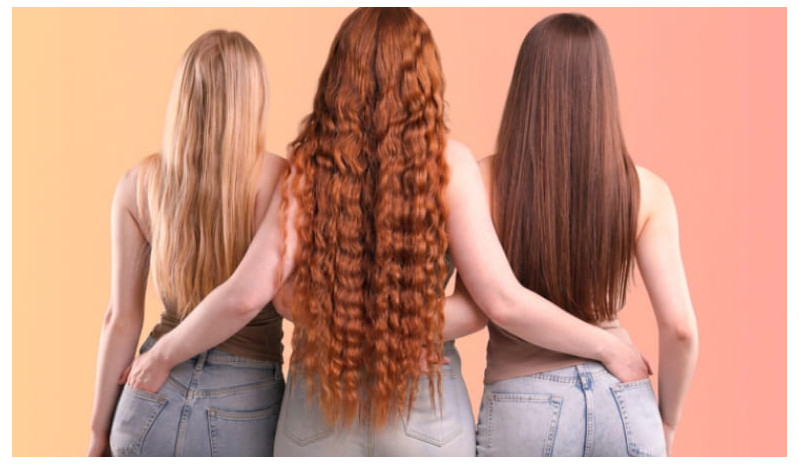
What is the difference between hydrating and repairing your hair?
Although these terms are often used interchangeably, hydrating and repairing are two completely different processes.
Hydration
Hydration is all about restoring moisture and elasticity to the hair. Dehydrated hair typically shows the following signs:
- Dull appearance.
- Rough texture.
- Lack of movement.
- Frizz.
- Dry ends.
The good news is that the hair structure is still healthy. It simply needs to regain its optimal level of hydration.
Repair
Repair goes one step further. When hair has been exposed to chemical treatments or repeated damage (bleaching, frequent colouring, heat styling tools, sun exposure, etc.), the hair fibre begins to weaken and deteriorate.
In these cases, hydration alone is not enough. The damaged hair structure needs to be rebuilt. The most common signs are:
- Hair breakage.
- Split ends.
- Excessive elasticity when wet.
- Brittle hair.
- Difficulty detangling.
- Hair that still looks severely damaged even after applying a hair mask.
1- How can you tell what your hair needs?
Is it dry or does it break easily?
This is probably the easiest difference to identify.
If your hair feels dry, rough to the touch, looks dull and is prone to frizz, it most likely needs hydration.
On the other hand, if your hair breaks when brushing, snaps while styling, has lots of split ends and has been coloured or bleached, what it really needs is repair.
2- What happens when your hair gets wet?
The way your hair behaves when wet can reveal a lot about its condition.
Dehydrated hair usually retains its structure when wet, doesn't become overly stretchy and returns to its normal shape once dry.
Damaged hair, however, often feels "gummy" when wet, stretches excessively, takes a long time to regain its shape and can break very easily.
3- How does your hair respond after using a hair mask?
This is another useful clue. If you apply a hydrating hair mask and your hair stays noticeably softer and healthier for several days, it probably just needed hydration. However, if your hair only looks better while the product is on or immediately afterwards, but quickly returns to looking damaged after the next wash, it is likely to need a repairing treatment.
4- What if my hair needs both?
This is more common than you might think.
In these cases, the best approach is to combine both types of treatment. A balanced haircare routine may include a repairing shampoo, a hydrating hair mask, an intensive repairing treatment once or twice a week, and a heat protectant before using a hair dryer or heated styling tools. This combination helps strengthen the hair fibre while maintaining moisture, softness and flexibility.
Common mistakes
Using only protein treatments: Too many repairing treatments can leave the hair feeling stiff if they are not combined with hydrating products.
Assuming all hair masks do the same thing: Every hair mask is designed to address a specific need. Choosing the right one can make a significant difference to your results.
Skipping heat protection: The best way to repair your hair is to prevent further damage. Applying a heat protectant before using a hair dryer, straightener or curling iron is an essential step.
The key is to listen to your hair
There is no universal treatment. Depending on its condition and the processes it has undergone, your hair may need hydration, repair, or a combination of both.
Paying attention to how your hair behaves, how it responds to treatments and what its main needs are will help you choose the right products and achieve visible results from the very first applications.
On Keshop, you'll find a wide selection of professional treatments to hydrate, repair and strengthen all hair types. If you're unsure which one is right for you, our team will be happy to help you find the routine that best suits your hair's needs.

Write a comment
- 1
- 2
- 3
- 4
-

-

-
 Hair care
 -
 Hair care